
Albatross Deconstructed
We Develop Delight
Client satisfaction is our top priority. We strive to deliver exceptional service and empower businesses to connect with their clients in meaningful ways through advanced web development.


Driven Development Built Better
We believe the complicated parts of the web should be made easier, the data we collect should be minimal but impactful, and marketing should be approachable and non-invasive. Our clients work hard to develop their personality, culture, and commitment to ethics, and we believe that should come through in their website.
We build the sites people want to use, the organic search marketing (SEO) that gets them there, and the analytics needed to get to the next level of business.
Case Studies
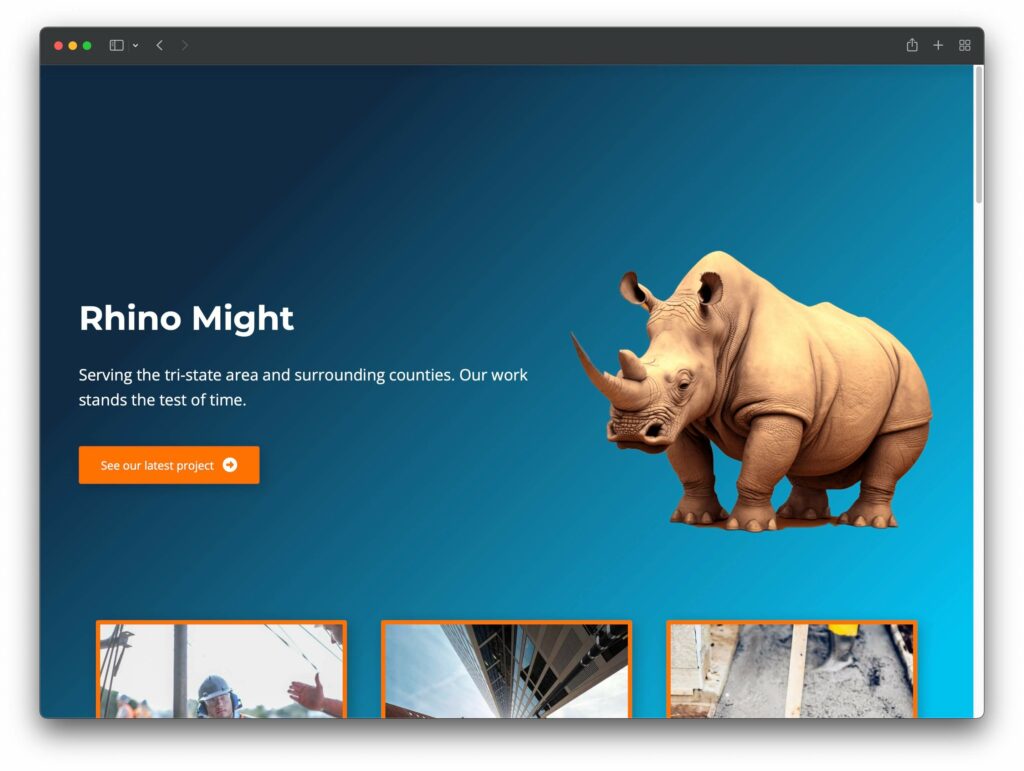
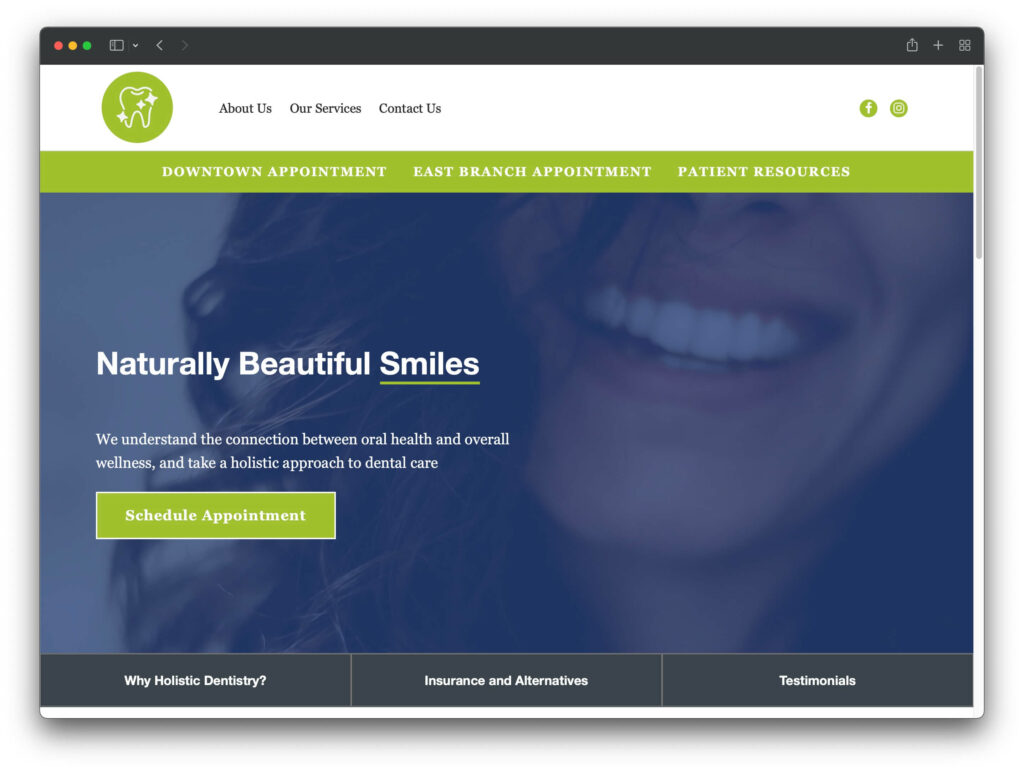
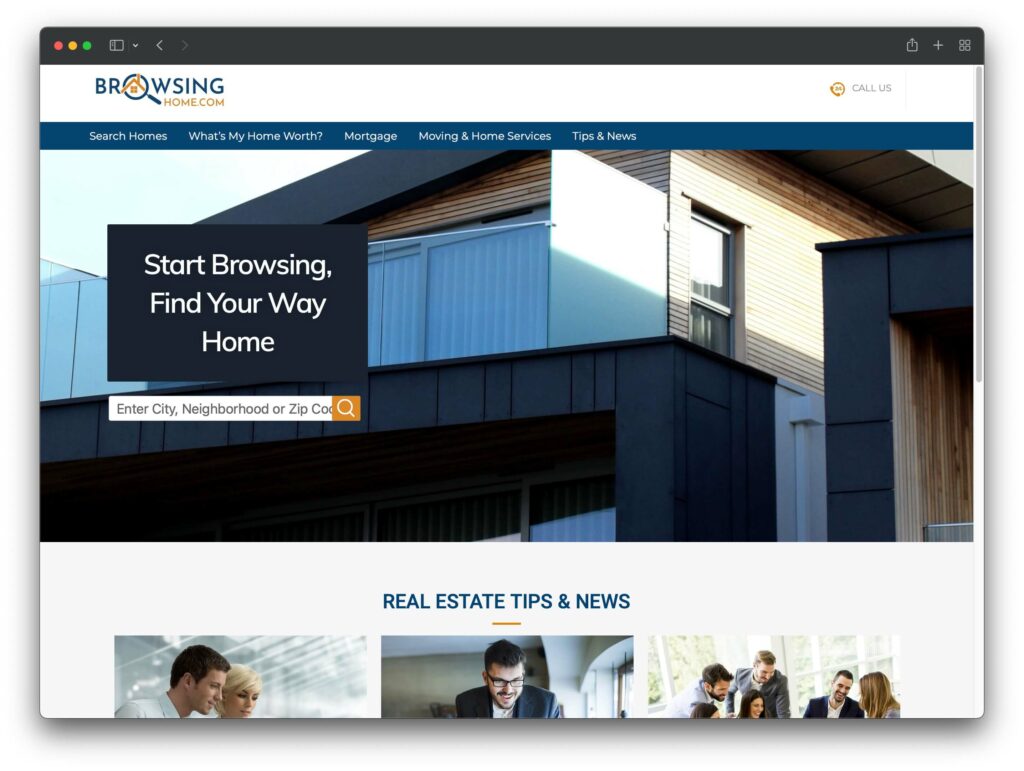
Advanced Web Development, including...
We build the tools that enable our clients' unique strategies to come to life, and we also help create and refine those strategies. At our core, we are problem-solvers, always looking for ways to optimize and improve our clients' online presence.

Brand Strategy
Our team collaborates closely with our clients and their teams to discover the most effective strategies for their businesses.
Most importantly, our goal is to capture the voice of our clients' businesses and ensure that their online messaging is consistent across all channels.
Advanced Integrations
As businesses grow, there is more need for our clients to integrate with CRMs, sales tools, analytics dashboards, and scheduling tools, just to name a few.
Our team makes the best of our clients' investment with custom integrations and plugins.
Advanced Analytics
As our clients grow their businesses, they need to make data-driven decisions to stay ahead of the competition. That's where our analytics expertise comes in.
From on-page optimizations to sitewide analytics, we help our clients measure success and continuously improve their online presence.
Knowledge

Building for 2024: A Developer’s Secret Web Hosting Weapon Revealed

Website Development Costs 2023: New Ideas to Clear the Air
3 Things to Improve Brand Strategy

2023 is going to be HUGE for Web Accessibility

Unlocking On-Page Optimization: Beyond Page Views

Don’t be afraid because of Accessibility Lawsuits
Testimonials
Already seeing an increase (in bookings)... Really appreciate your work.

Vincent Ivicevic
VI Photography and Design
Josh* was really great - we used him for multiple engagements and will again without hesitation when a need arises. Definitely recommend.

Jody Desnoyers
List1 Realty
Take a tour of past work
Pick a day and time and we will walk you through what we are most excited about right now.